


BDes Interior Designing Course in Chandigarh - IFCT
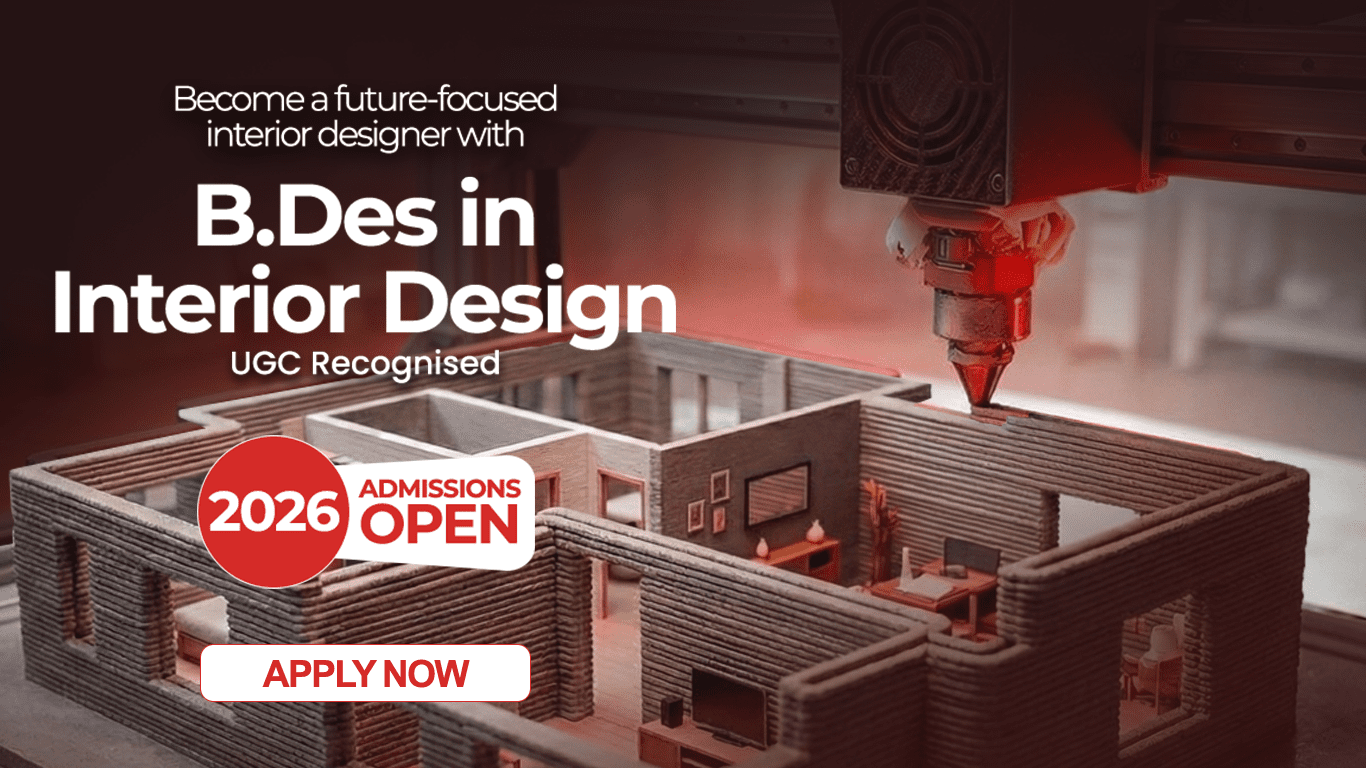
The BDes Interior Designing course at IFCT is designed for students who want to build a professional career in interior design and create functional, attractive, and innovative interior spaces. This undergraduate programme combines creative design concepts with technical knowledge of space planning, materials, furniture, lighting, construction, and interior visualisation.
IFCT is a leading interior designing institute in Chandigarh offering industry-oriented education through practical training, studio-based learning, design projects, and portfolio development. Students learn to transform design concepts into practical interior solutions while developing an understanding of modern design trends, materials, technologies, and professional practices.
The programme is ideal for students looking for interior designing courses in Chandigarh, Mohali, and Punjab who want academic guidance combined with practical design experience. The BDes Interior Designing programme helps students develop creative thinking, technical skills, and professional confidence required to pursue opportunities in the interior design industry.
About the BDes Interior Designing Course
The Bachelor of Design (BDes) in Interior Design is a 4-year undergraduate programme that trains students to create interior environments that are functional, aesthetic, and genuinely innovative. It blends design theory with hands-on studio learning and real-world projects, giving it an edge over a purely theory-heavy interior design course chandigarh students might find elsewhere.
Students build expertise in:
Space Planning and Layout Design
Students learn how to organise rooms and spaces efficiently by considering movement, functionality, proportions, and user needs. They understand how to create layouts that are practical, comfortable, and visually balanced.
Interior Materials and Finishes
Students explore different materials such as wood, stone, glass, fabrics, tiles, and metals used in interior spaces. They learn how to select suitable finishes based on durability, aesthetics, functionality, and the overall design concept.
Furniture Design and Ergonomics
Students learn the fundamentals of designing furniture that complements an interior space while being comfortable and functional. Ergonomics helps them understand human dimensions, posture, movement, and usability when creating furniture.
Lighting Design and Colour Theory
Students understand how natural and artificial lighting can influence the mood, functionality, and appearance of an interior space. Colour theory helps them create balanced colour combinations that enhance the overall design.
Computer-Aided Design (CAD) and 3D Visualisation
Students learn industry-relevant software and techniques to create accurate floor plans, technical drawings, and detailed 3D representations. These skills help them present and communicate their interior design ideas professionally.
Interior Styling and Project Management
Students learn how to select furniture, décor, fabrics, accessories, and other elements to create a cohesive interior theme. They also develop project management skills to plan timelines, coordinate resources, and execute design projects effectively.
These skills prepare students to design residential, commercial, and corporate spaces with confidence.
Why Study Interior Design at IFCT
IFCT has emerged as a preferred name for interior design education in the region, offering modern, industry-focused training rather than a purely academic experience.
Key highlights of the programme include:
- Practical, studio-based learning
- Experienced design faculty and mentors
- Modern design labs and software training
- Portfolio development through live design projects
- Industry exposure and internships
- UGC-recognised degree in collaboration with reputed universities
Many students who search for a b tech in interior design or a similar technically-oriented design programme in the region choose IFCT instead, since the BDes curriculum already combines rigorous technical training — CAD, 3D visualisation, construction detailing — with creative design education, giving graduates the same practical grounding without needing a separate engineering route. Students from Chandigarh, Mohali, and across Punjab choose IFCT for interior designing courses because of its practical learning approach and creative academic environment.
Course Details
Programme
BDes Interior Designing
Duration
4 Years (8 Semesters)
Interior design degree programmes generally span four years, combining theoretical knowledge with practical projects and industry training.
Eligibility
Students must have completed 10+2 from any recognised board with the minimum required marks to apply for the programme.
Location
Chandigarh / Mohali Campus
Subjects Covered in the Interior Design Course
The interior design course blends creative and technical subjects, including:
- Design Fundamentals
- Architectural Drawing
- Interior Materials and Construction
- Furniture Design
- Lighting Design
- Interior Landscaping
- Computer-Aided Design (CAD)
- 3D Visualisation
- Building Services and Interior Systems
- Portfolio Development
Together, these subjects build a strong foundation in interior design principles and spatial planning.
Career Opportunities After the Interior Design Course
Graduates of interior design colleges can step into a wide range of creative and professional roles.
Popular career paths include:
- Interior Designer
- Residential Space Designer
- Commercial Interior Designer
- Furniture Designer
- Exhibition Designer
- Lighting Designer
- Interior Stylist
- Design Consultant
Interior designers find opportunities across architecture firms, real estate companies, design studios, furniture brands, and media production houses. Entry-level interior design graduates in India can expect to earn around ₹3–5 LPA, with salaries rising as experience and portfolio strength grow.
Interior Design Course in Chandigarh, Mohali & Punjab
Students searching for an interior design course in Chandigarh often compare private institutes against government colleges for interior designing in Chandigarh before deciding where to apply. While government seats are limited and highly competitive, IFCT offers a professional alternative — a curriculum built around modern design techniques, interior styling, and practical project execution, backed by consistent industry interaction that not every institute, government or private, can guarantee.
IFCT offers dedicated interior designing courses in Mohali and Chandigarh, preparing students for careers in residential design, commercial interiors, retail spaces, and corporate workspace design through hands-on, studio-first learning.
Study at One of the Best Interior Design Colleges
India has hundreds of institutes offering interior design programmes, which makes it important for students to choose one that delivers genuine practical training and strong industry exposure, not just a certificate.
At IFCT, students gain real experience through design studios, creative projects, and portfolio development, building a solid foundation for a long-term career in the interior design industry. For students weighing government colleges for interior designing in Chandigarh against private options, IFCT’s practical, industry-linked approach offers a compelling middle ground: professional-grade training without long admission queues or oversubscribed government seats.
Apply Now
What is BDes Interior Designing?
BDes Interior Designing is a 4-year undergraduate program that teaches students how to design functional and aesthetic interior spaces using creative and technical design principles. To get more details, contact our admission cell.
Who can apply for an interior designing course?
Students who have completed 10+2 from any stream can apply for undergraduate interior design programs.
Which is the best interior designing institute in Chandigarh?
IFCT is among the leading interior designing institutes in Chandigarh offering professional programs with practical design training and industry exposure.
What skills are taught in an interior design course?
Graduates can pursue roles such as Fashion Researcher, University Professor / Academic Scholar, Fashion Business Consultant, Fashion Policy Advisor, Fashion Brand Strategist, and Fashion Industry Analyst across academia, consultancy, and fashion industry leadership.
What career options are available after studying interior design?
Graduates can work as interior designers, design consultants, furniture designers, exhibition designers, or start their own interior design studio.