


Fashion designing is the art and science of creating clothing, footwear and accessories that people want to wear. It blends creativity, technical skill and an understanding of what people need. If you are curious about this field, or planning to join a fashion designing course in Chandigarh, this guide explains the basics in simple language: what fashion design is, how a design takes shape, the skills you need, and the careers it can lead to.
What Is Fashion Designing?
Fashion designing is the process of planning and creating apparel and accessories by combining ideas, fabrics, colors and construction techniques. A fashion designer turns an idea into a wearable product, from the first sketch to the final stitched garment.
In short, fashion design answers three questions:
What will people wear?
How will it look and feel?
How will it be made?
A good designer balances artistic vision with practical needs such as comfort, cost, fit and trends.
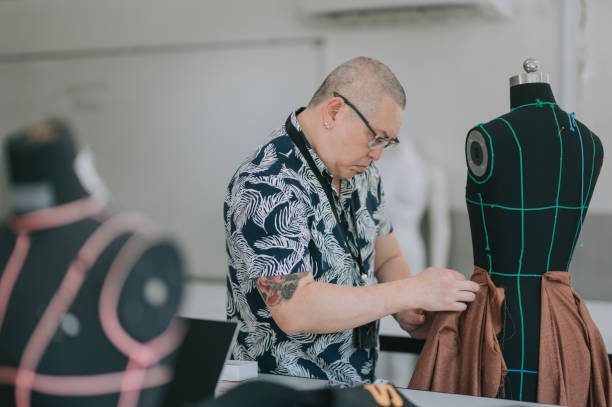
What Are the Basic Elements of Fashion Design?
Every garment is built from a few core design elements. Learning them is the first step in any fashion designing course.
- Line: The direction of seams, edges and patterns. Vertical lines can make a look appear taller, while horizontal lines add width.
- Silhouette: The overall outline of a garment, such as A-line, fitted or over sized.
- Color: The palette that sets mood, season and brand identity.
- Texture: How a fabric looks and feels, such as smooth silk, rough denim or soft cotton.
- Pattern: Prints, checks, stripes and embroidery that add visual interest.
- Proportion and balance: How the parts of an outfit relate to each other and to the wearer’s body.
- Fabric: The material that decides how a garment drapes, moves and lasts.
How Does the Fashion Design Process Work?
Fashion design follows a clear sequence. Understanding it shows how an idea becomes a finished collection.
- Research and inspiration: Designers study trends, culture, customers and fabrics to find a direction.
- Sketching and illustration: Ideas are drawn by hand or with CAD software to show shape, detail and color.
- Fabric and trim selection: Suitable fabrics, buttons, zips and threads are chosen for look, comfort and budget.
- Pattern making: Flat paper patterns are created so each piece can be cut accurately.
- Sampling and garment construction: A first sample is stitched and tested for fit and finish.
- Fitting and refinement: The sample is adjusted until the proportions and comfort are right.
- Production and presentation: The final design is made, styled and presented through a collection, a show or a catalog.
What Skills Do You Need to Become a Fashion Designer?
You do not need to be an expert on day one, but these skills matter and can be built through training:
- Creativity and a strong sense of color and form
- Sketching and fashion illustration, including digital tools
- Knowledge of fabrics, textiles and garment construction
- Pattern making and sewing
- Awareness of trends and consumer behavior
- Communication and presentation skills
- Time management and teamwork
A structured programme helps you practice all of these together instead of learning them in isolation.
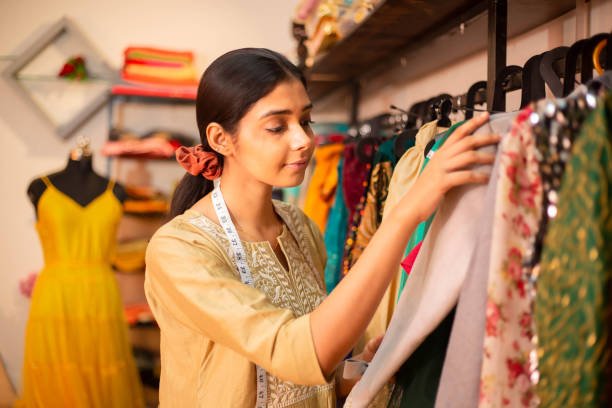
What Are the Main Types of Fashion Design?
Fashion design is wide, so most designers specialize in one area.
| Type | What it covers |
| Apparel design | Women’s, men’s and children’s clothing |
| Accessory design | Bags, belts, jewellery and footwear |
| Textile design | Fabric prints, weaves and surface treatments |
| Costume design | Clothing for film, theatre and television |
| Bridal and couture | Custom, high-detail garments for special occasions |
| Sustainable fashion | Eco-conscious materials and low-waste production |
What Careers Can You Build After Studying Fashion Designing?
A fashion education opens many doors beyond designing clothes. Common career paths include:
- Fashion designer
- Fashion stylist
- Textile designer
- Merchandiser
- Costume designer
- Fashion illustrator
- Fashion entrepreneur running your own label
Graduates can also move into fashion buying, retail management, trend forecasting and fashion communication.
How Do You Choose the Right Fashion Designing Course in Chandigarh?
Chandigarh and the nearby Mohali region are a growing hub for creative education, so students have several options. When comparing a fashion designing course in Chandigarh, check the following:
- Curriculum: Does it cover illustration, pattern making, garment construction, textiles and fashion marketing?
- Practical exposure: Look for workshops, projects, portfolio building and real industry interaction.
- Faculty: Experienced mentors with industry or academic backgrounds make a real difference.
- Recognition: Check whether the degrees are UGC-recognized and offered with an affiliated university.
- Course level and duration: Diplomas usually run 1 to 2 years, while degree programmes take 3 to 4 years.
- Eligibility: Most programmes ask for a 10+2 pass certificate, though requirements vary by course.
- Career support: Portfolio guidance, internships and industry connections help you transition into work.
What Does a Fashion Designing Course in Chandigarh at IFCT Offer?
The Institute of Fashion & Communication Technology (IFCT) offers fashion education with a strong focus on creativity and hands-on learning. IFCT was founded by senior fashion journalists and is a sister concern of The Lifestyle Journalist magazine, which brings an industry-first outlook to the classroom. Faculty and advisors come from institutions such as NIFT and NID, along with international advisors from Europe and the US.
The Chandigarh campus is located inside Rayat Bahra University in Greater Mohali, and a second campus operates inside Bahra University in Solan, Himachal Pradesh. Degrees are UGC-recognized and offered in collaboration with these universities.
Students interested in fashion can choose from options such as the B.Sc. in Fashion Design, a 1-year online Diploma in Fashion Designing, and postgraduate programmes in fashion management. Those who want to go deeper into research and teaching can explore a PhD in fashion designing pathway, with doctoral options in Fashion Management and Fashion Communication.
What Related Fields Connect with Fashion Design?
Fashion never works alone. It connects with media, beauty and communication, and these related programmes can widen your career options.
Fashion and media. Fashion needs storytellers who can write, report and build brand narratives. A BA in Mass Communication introduces students to journalism, media writing, public relations and digital content. For further specialisation, an MA in Journalism and Mass Communication builds advanced skills in reporting, media analysis and communication strategy. Together, they suit students who love fashion but prefer writing, editing or brand communication over sewing.
Fashion and beauty. Appearance is part of the same industry. A beauty and wellness course covers skin care, grooming, makeup, hair and wellbeing. Fashion designers, stylists and makeup professionals often work side by side on shoots, shows and bridal assignments, so knowing both sides is a real advantage.
IFCT offers programmes in mass communication and journalism as well as a Diploma in Beauty & Wellness, so students can explore these paths under the same roof.
Frequently Asked Questions
What is fashion designing in simple words?
Fashion designing is the creation of clothing, footwear and accessories through sketching, fabric selection, pattern making and stitching, keeping both style and function in mind.
What is the best fashion designing course in Chandigarh for beginners?
The best beginner course is one that teaches design fundamentals, illustration, garment construction and textiles, and includes practical projects and industry exposure. Compare curriculum, faculty and recognition before applying.
Who can apply for a fashion designing course?
Students who have completed 10+2 can usually apply, depending on the programme. Some diploma and certificate courses have different eligibility criteria.
How long is a fashion designing course?
Diploma programmes typically take 1 to 2 years, and undergraduate degrees take 3 to 4 years.
Do I need to know drawing to study fashion design?
Basic drawing helps, but it is not mandatory. Sketching and illustration are taught from the ground up, and many students also learn CAD tools.
What can I do after a fashion designing course?
You can work as a fashion designer, stylist, merchandiser, textile or costume designer, or start your own brand.
Conclusion
Fashion designing is far more than drawing pretty clothes. It is a full process of research, creativity, technique and business thinking. By understanding the basics, you can decide whether this path fits your interests and which specialisation to choose. If you are ready to take the next step, compare programmes carefully and pick a fashion designing course in Chandigarh that offers practical training, experienced mentors and recognised qualifications. Whether you choose design, media or beauty, the right foundation will help you build a confident creative career.